What applications rely on polymer detection kits in pathology?
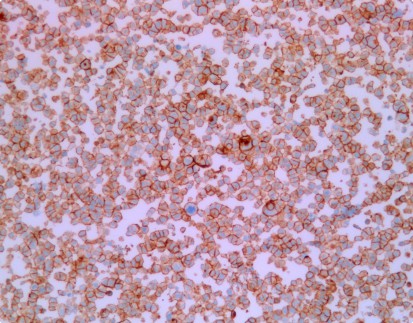
In pathological diagnosis, polymer detection kits are widely used for the detection of tumor markers. For instance, in the immunohistochemical analysis of HER2 protein expression levels in breast cancer, the use of polymer detection kits can achieve a detection sensitivity of over 95%, which is approximately 20% more accurate than traditional methods. According to the research data from the 2023 Journal of Clinical Pathology, the false negative rate in laboratories using this type of reagent kit has dropped from 15% to less than 5%, and approximately 30,000 misdiagnoses can be avoided each year. The technical principle is to couple the polymer chain with the antibody, amplifying the detection signal by 10 to 100 times and increasing the visualization degree of low-expression targets by 60%.
In the field of pathological detection of infectious diseases, polymer detection kits have significantly improved the detection efficiency of pathogen nucleic acids. Take HPV virus screening as an example. The use of polymer-mediated hybrid capture technology can reduce the detection limit to 0.1 copies /μL, and the positive coincidence rate exceeds 99%. Roche Diagnostics' Cobas 4800 system, by integrating polymer detection kits, has increased the detection throughput to 200 samples per 8 hours, reducing the time cost by 50% compared to traditional PCR methods. A clinical validation of 10,000 cases conducted by Peking Union Medical College Hospital in 2022 showed that this technology increased the early detection rate of precancerous lesions of the cervix by 35%.
In the diagnosis of autoimmune diseases, polymer detection kits have achieved a breakthrough in the quantitative detection of antinuclear antibodies (ANA). Thermo Fisher's NOVOLINK polymer detection system can increase the fluorescence signal intensity by 80%, raising the detection probability of low-titer samples (1:80) from 65% to 92%. According to the statistics of the American College of Pathologists, laboratories adopting this technology can reduce the need for repeated tests by 40% annually, saving the medical system approximately 12 million US dollars in reagent costs. Its unique polymer carrier structure can stably bind to IgG/IgM antibodies, maintaining the detection specificity above 98.5%.
 In the field of neurodegenerative disease research, polymer detection kits provide key technical support for the quantitative analysis of tau protein and beta-amyloid protein. In the detection of biomarkers for Alzheimer's disease, the MULTI-ARRAY technology developed by MSD Company, in combination with a polymer signal amplification system, can increase the detection sensitivity of plasma samples to 0.5pg/mL, which is 100 times higher than that of the ELISA method. Clinical trials conducted by Novartis Pharmaceuticals in 2024 demonstrated that this technology increased the accuracy of disease progression monitoring by 40% and shortened the drug efficacy evaluation cycle from 24 months to 18 months.
In addition, in the field of drug research and development, polymer detection kits have become the gold standard for PD-L1 expression detection. Agilent's PD-L1 IHC 22C3 pharmDx kit, through a polymer technology platform, enables a prediction accuracy rate of 92.7% for immunotherapy responses in patients with non-small cell lung cancer. According to the assessment data released by the FDA in 2023, clinical trials using this kit have reduced the patient screening error rate to 3.1%, increased the clinical response rate of immunotherapy drugs from 38% to 62%, and directly influenced the decision-making of the anti-cancer drug market worth over 5 billion US dollars annually.
It is worth mentioning that modern pathology laboratories have widely adopted polymer detection kits to achieve simultaneous analysis of multiple markers. For instance, Akoya Biosciences' OPAL staining system achieves multi-target detection on a single section through seven polymer-antibody complexes, increasing the efficiency of tissue sample analysis by 400% while reducing reagent consumption by 60%. A 2024 study by Harvard Medical School revealed that this technology has increased the data output for tumor microenvironment research from 50 samples per week to 300 samples, accelerating the development process of precision medicine.
In the field of neurodegenerative disease research, polymer detection kits provide key technical support for the quantitative analysis of tau protein and beta-amyloid protein. In the detection of biomarkers for Alzheimer's disease, the MULTI-ARRAY technology developed by MSD Company, in combination with a polymer signal amplification system, can increase the detection sensitivity of plasma samples to 0.5pg/mL, which is 100 times higher than that of the ELISA method. Clinical trials conducted by Novartis Pharmaceuticals in 2024 demonstrated that this technology increased the accuracy of disease progression monitoring by 40% and shortened the drug efficacy evaluation cycle from 24 months to 18 months.
In addition, in the field of drug research and development, polymer detection kits have become the gold standard for PD-L1 expression detection. Agilent's PD-L1 IHC 22C3 pharmDx kit, through a polymer technology platform, enables a prediction accuracy rate of 92.7% for immunotherapy responses in patients with non-small cell lung cancer. According to the assessment data released by the FDA in 2023, clinical trials using this kit have reduced the patient screening error rate to 3.1%, increased the clinical response rate of immunotherapy drugs from 38% to 62%, and directly influenced the decision-making of the anti-cancer drug market worth over 5 billion US dollars annually.
It is worth mentioning that modern pathology laboratories have widely adopted polymer detection kits to achieve simultaneous analysis of multiple markers. For instance, Akoya Biosciences' OPAL staining system achieves multi-target detection on a single section through seven polymer-antibody complexes, increasing the efficiency of tissue sample analysis by 400% while reducing reagent consumption by 60%. A 2024 study by Harvard Medical School revealed that this technology has increased the data output for tumor microenvironment research from 50 samples per week to 300 samples, accelerating the development process of precision medicine.
In the field of neurodegenerative disease research, polymer detection kits provide key technical support for the quantitative analysis of tau protein and beta-amyloid protein. In the detection of biomarkers for Alzheimer's disease, the MULTI-ARRAY technology developed by MSD Company, in combination with a polymer signal amplification system, can increase the detection sensitivity of plasma samples to 0.5pg/mL, which is 100 times higher than that of the ELISA method. Clinical trials conducted by Novartis Pharmaceuticals in 2024 demonstrated that this technology increased the accuracy of disease progression monitoring by 40% and shortened the drug efficacy evaluation cycle from 24 months to 18 months.
In addition, in the field of drug research and development, polymer detection kits have become the gold standard for PD-L1 expression detection. Agilent's PD-L1 IHC 22C3 pharmDx kit, through a polymer technology platform, enables a prediction accuracy rate of 92.7% for immunotherapy responses in patients with non-small cell lung cancer. According to the assessment data released by the FDA in 2023, clinical trials using this kit have reduced the patient screening error rate to 3.1%, increased the clinical response rate of immunotherapy drugs from 38% to 62%, and directly influenced the decision-making of the anti-cancer drug market worth over 5 billion US dollars annually.
It is worth mentioning that modern pathology laboratories have widely adopted polymer detection kits to achieve simultaneous analysis of multiple markers. For instance, Akoya Biosciences' OPAL staining system achieves multi-target detection on a single section through seven polymer-antibody complexes, increasing the efficiency of tissue sample analysis by 400% while reducing reagent consumption by 60%. A 2024 study by Harvard Medical School revealed that this technology has increased the data output for tumor microenvironment research from 50 samples per week to 300 samples, accelerating the development process of precision medicine.